
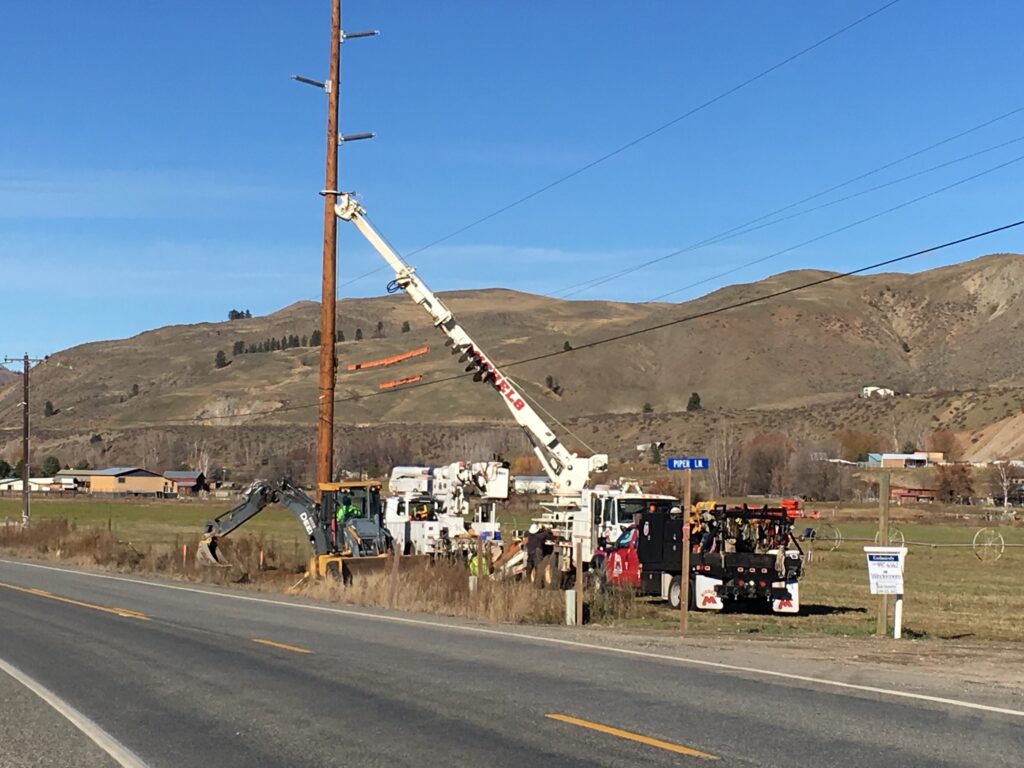
System redundancy is a strategy to prevent single points of failure by providing backup components or systems that can take over if the primary ones fail. This ensures continued operation even when a critical part of the system malfunctions. Redundancy can be achieved through various methods, including duplicated hardware, software, and even personnel training. Redundant components can be active or passive. Active systems are running continuously, sharing the load, while passive systems are on standby and only activate when needed. Redundancy in wildfire safety means having backup systems and multiple layers of protection in place. This concept is crucial for effective wildfire preparedness and response.
Example:
The Town of Twisp experienced isolation during the wildfire disaster of 2014, as they were cut off from communications, utilities, and transportation. They and many other jurisdictions across Washington State continue to assess and strive for mitigation against single points of failure. Individually, it is important that every household, every business, and every community explore and assess where they stand in their system backups.
Resources: