
2026 Fire Season Resources
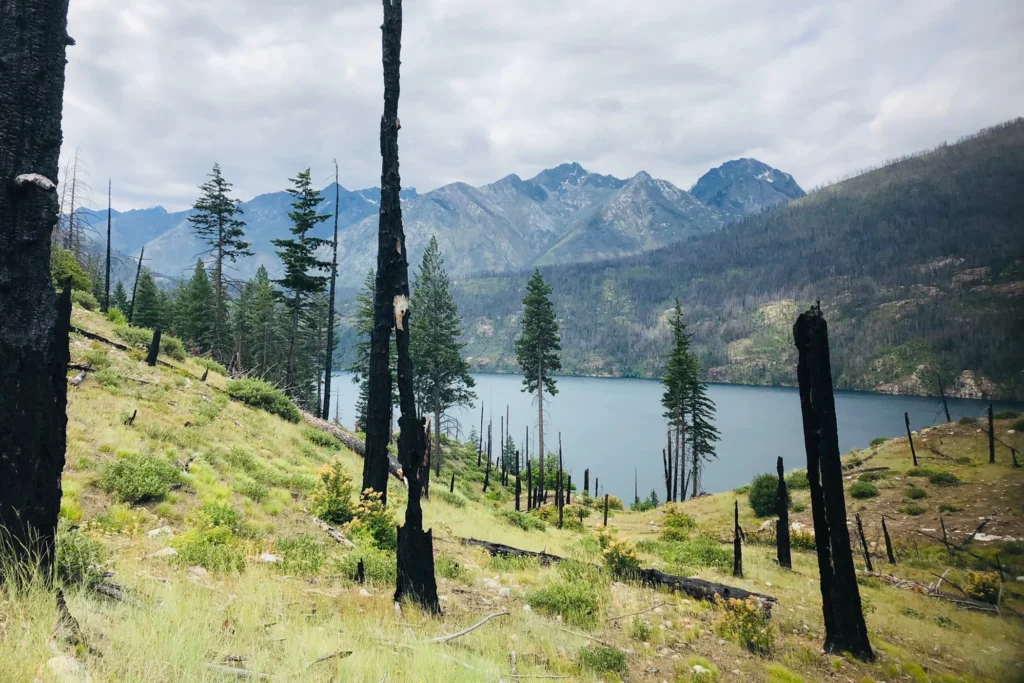
2026 Fire Season Updated: September 4, 2026 Scroll down for fire specific information and resources → Health & Safety Source Water Protection (SWP) Local Assistance Program: financial assistance to water systems, local governments, tribes, conservation districts, and non-profits for Group A source water protection. Wildfire Smoke: protect your health and stay safe during and after […]
Insurance and Cleanup Learning Series
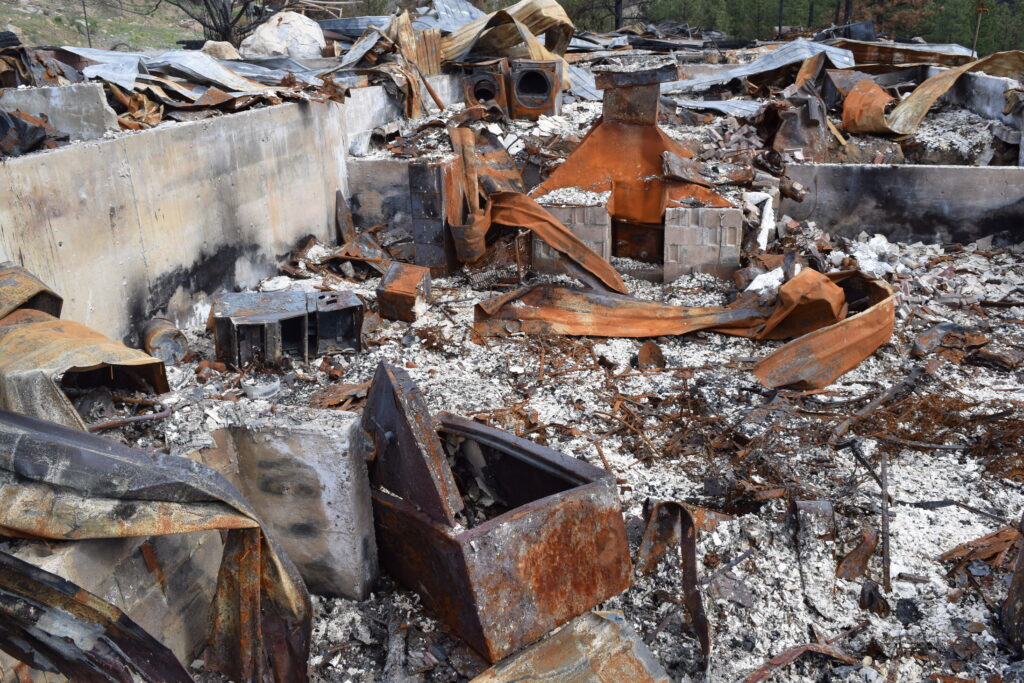
INSURANCE AND CLEANUP LEARNING SERIES Insurance claims and clean-up after a wildfire can be a daunting and overwhelming process for those affected. A wildfire is a natural disaster that can cause significant damage to homes, properties, and personal belongings. As a result, insurance claims are necessary to help individuals and families recover from this devastation. […]
Ongoing Relief and Recovery Learning Series
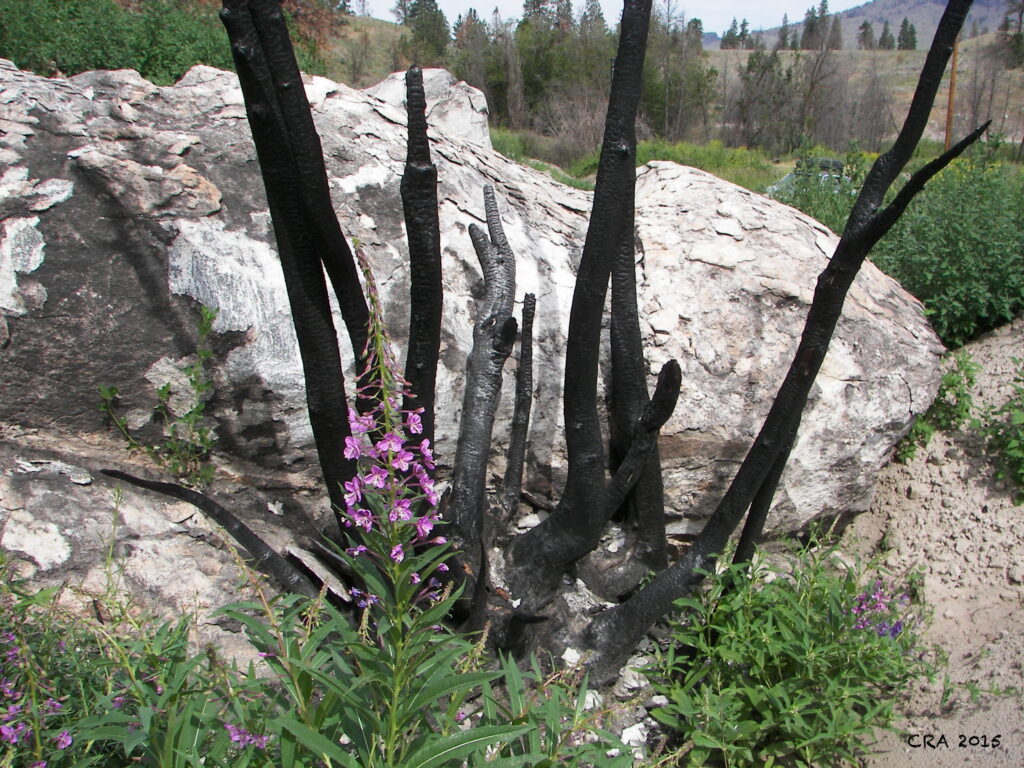
ONGOING RELIEF AND RECOVERY LEARNING SERIES Recovery will look and feel different in each place. There are ways to support community recovery efforts, such as: Volunteering for local organizations. They need help as they are usually tapped out 6-18 months after a wildfire. Creating or participating in a post-fire coordination group, a community-led disaster leadership team, […]
Returning Home Safely Learning Series
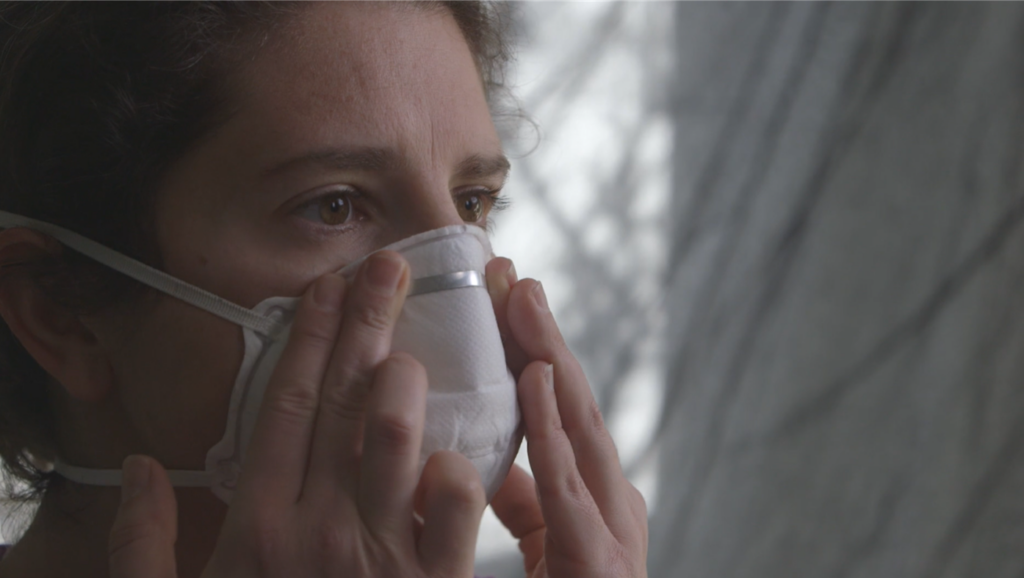
RETURNING HOME SAFELY LEARNING SERIES Before returning home and starting clean-up, ensure you have adequate safety measures in place. Identify whom you may need to call to shut off services. Contact the City or County Building Official and your local fire district to assess the safety of your property and structure, and discuss the process […]
Evacuation Learning Series

EVACUATION LEARNING SERIES These resources focus on what to expect if you are evacuated. 1 – Evacuation – Welcome 2 – During the Fire and Evacuation – Main 3 – Evacuation – Conclusion Originally created and shared by Washington Fire Adapted Communities Learning Network (WAFAC). Interested in more WAFAC resources? Visit fireadaptedwaashington.org.
Recovery Readiness Guide Walkthrough
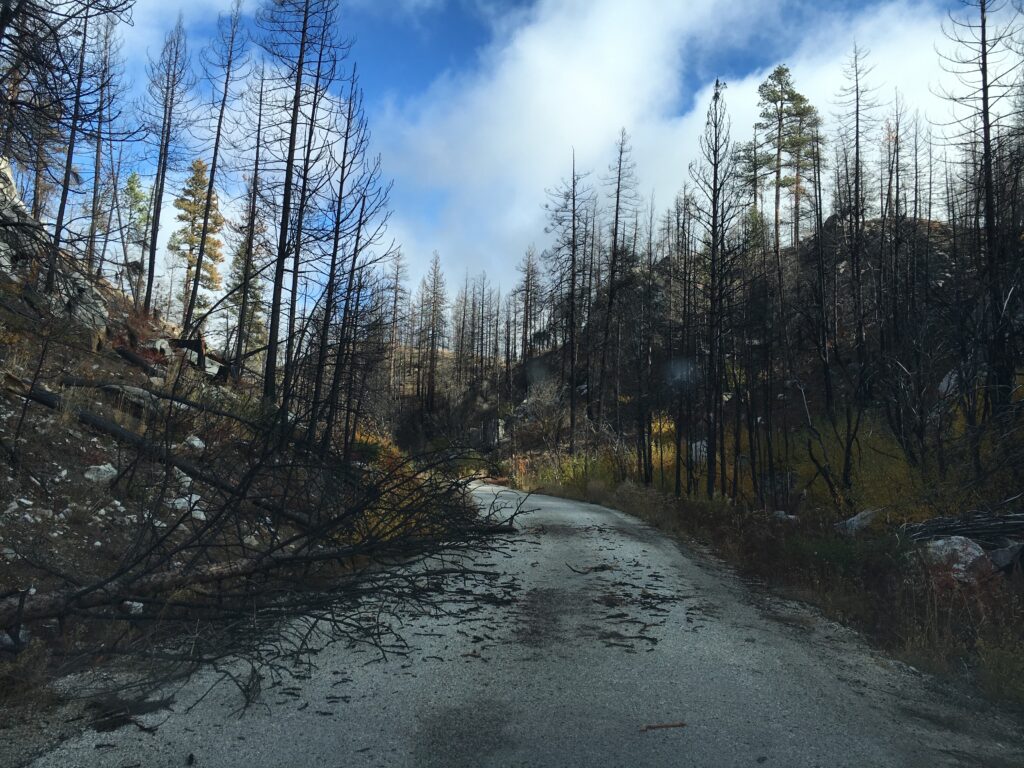
POST-FIRE RECOVERY READINESS GUIDE WALKTHROUGH The Recovery Readiness Guide was created to support local jurisdictions plan and train for recovery. Download and learn more about the guide and its associated Toolbox here. 1 – Recovery Readiness Guide Training 2 – Toolkit Training: Planning 3 – Toolkit Training: Building Capacity 4 – Toolkit Training: Communications 5 […]
Trauma and Emotional Health Learning Series
TRAUMA AND EMOTIONAL HEALTH LEARNING SERIES Wildfires can have a significant impact on emotional health, both for those directly affected by the fire and for people who are witnessing the devastation from afar. People may feel a sense of shock, grief, and sadness as they see their homes and belongings destroyed. This can also lead […]
Planning For Recovery
Planning For Recovery Wildfire recovery preparedness is a cornerstone of building resilient communities. By proactively integrating post-fire recovery preparedness considerations into Community Wildfire Protection Plans (CWPPs), Hazard Mitigation Plans (HMPs), and All-Hazard Mitigation Plans (AHMPs), communities can prepare for disaster before it strikes. This approach strengthens partnerships, secures essential resources, allows for the identification of […]
Irrigation and Preserving Water Rights
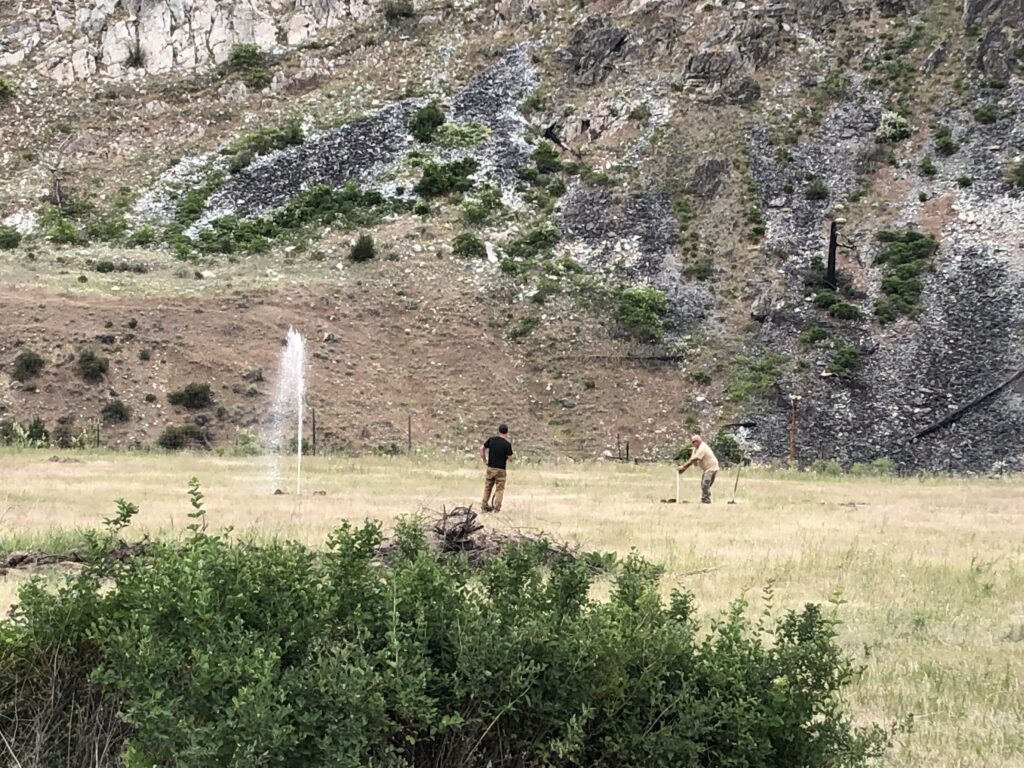
In Washington State, wildfires can significantly impact water resources and the way water rights are managed, particularly for irrigation purposes. Wildfires leave behind burned vegetation and ash, which can be washed into rivers, streams, and other water sources during rainfall. This can impact gravity flow irrigation systems particularly. Additionally, wildfires often coincide with, or are, […]
Re-Landscaping
Loss of vegetation leaves land vulnerable to increased runoff, erosion, and sedimentation. It also increases weed spread and growth, degrades habitat, and impairs forest regeneration. Private landowners often need assistance in replanting appropriate vegetation post wildfire to mitigate noxious weed growth and soil degradation. Example Strategies: As a part of Green Again campaigns after the […]