
Irrigation and Preserving Water Rights
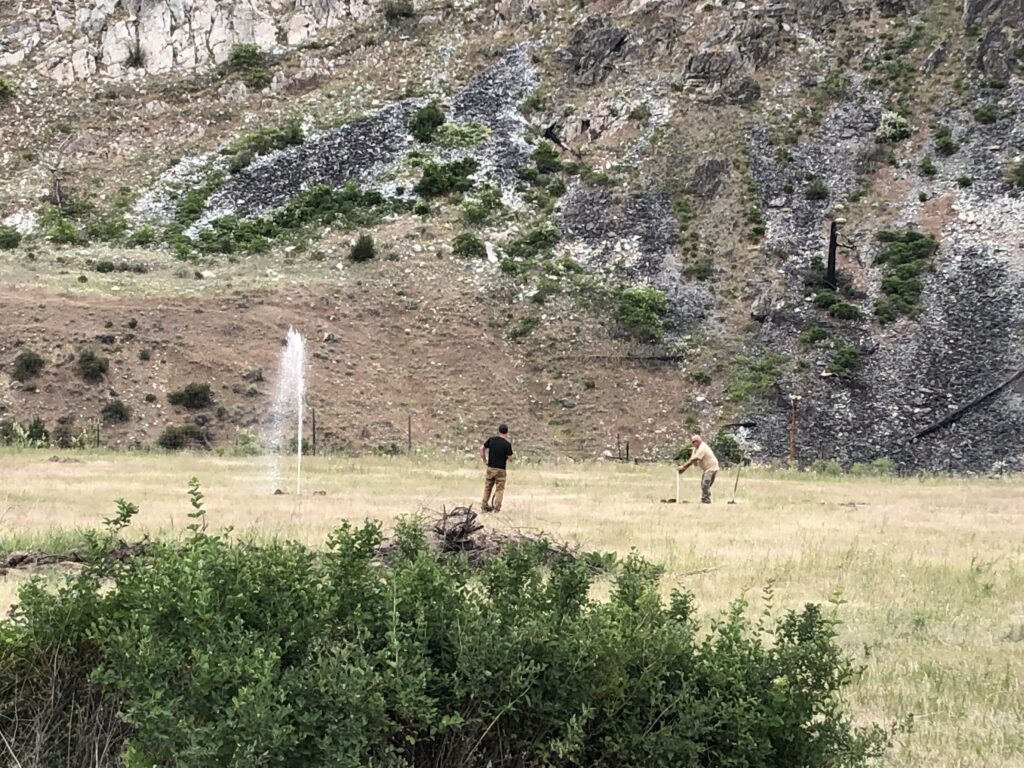
In Washington State, wildfires can significantly impact water resources and the way water rights are managed, particularly for irrigation purposes. Wildfires leave behind burned vegetation and ash, which can be washed into rivers, streams, and other water sources during rainfall. This can impact gravity flow irrigation systems particularly. Additionally, wildfires often coincide with, or are, […]
Re-Landscaping
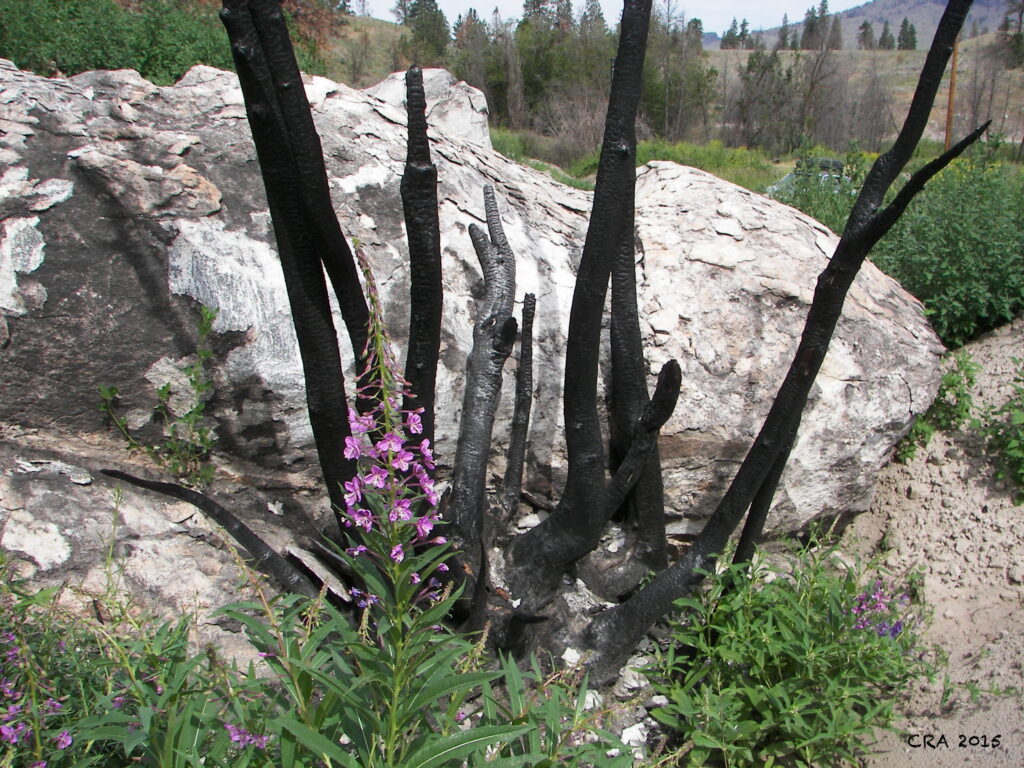
Loss of vegetation leaves land vulnerable to increased runoff, erosion, and sedimentation. It also increases weed spread and growth, degrades habitat, and impairs forest regeneration. Private landowners often need assistance in replanting appropriate vegetation post wildfire to mitigate noxious weed growth and soil degradation. Example Strategies: As a part of Green Again campaigns after the […]
Saving Water and Septic Infrastructure
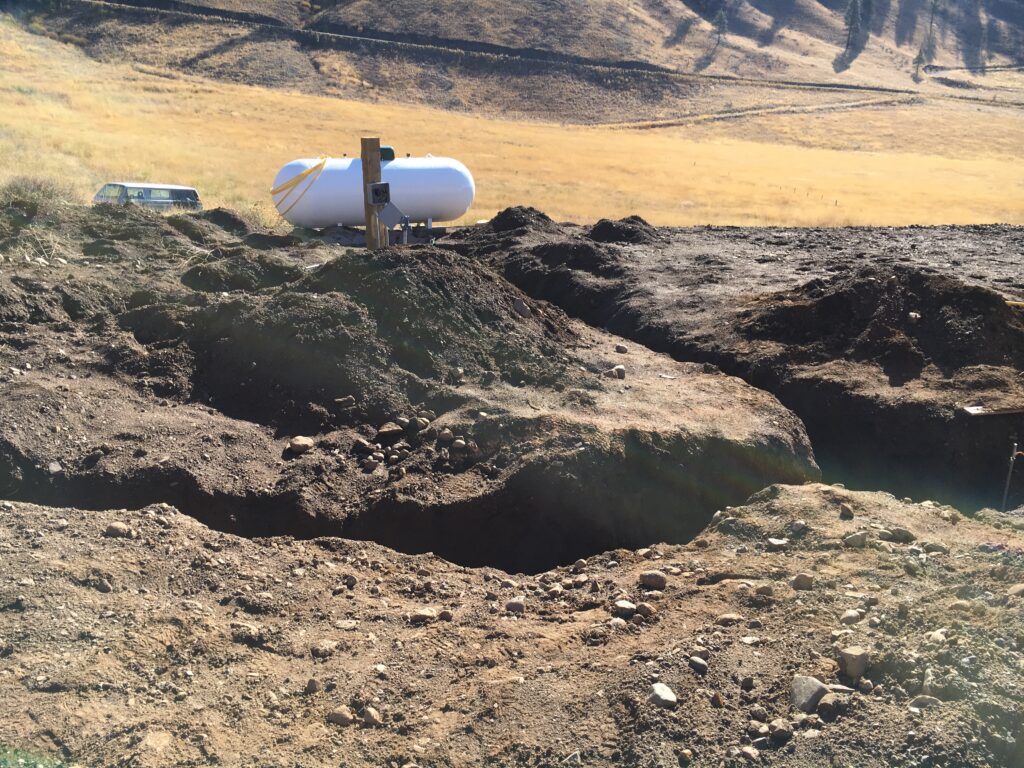
Post-fire, it is important to locate and protect septic, water, and electrical connections. Often times, debris is left on site for a considerable time. During clean up, or the following winter after a fire, infrastructure connections can be damaged by remaining debris and/or weather. Locating these key infrastructure connections can save homeowners thousands of dollars […]
Donation Management
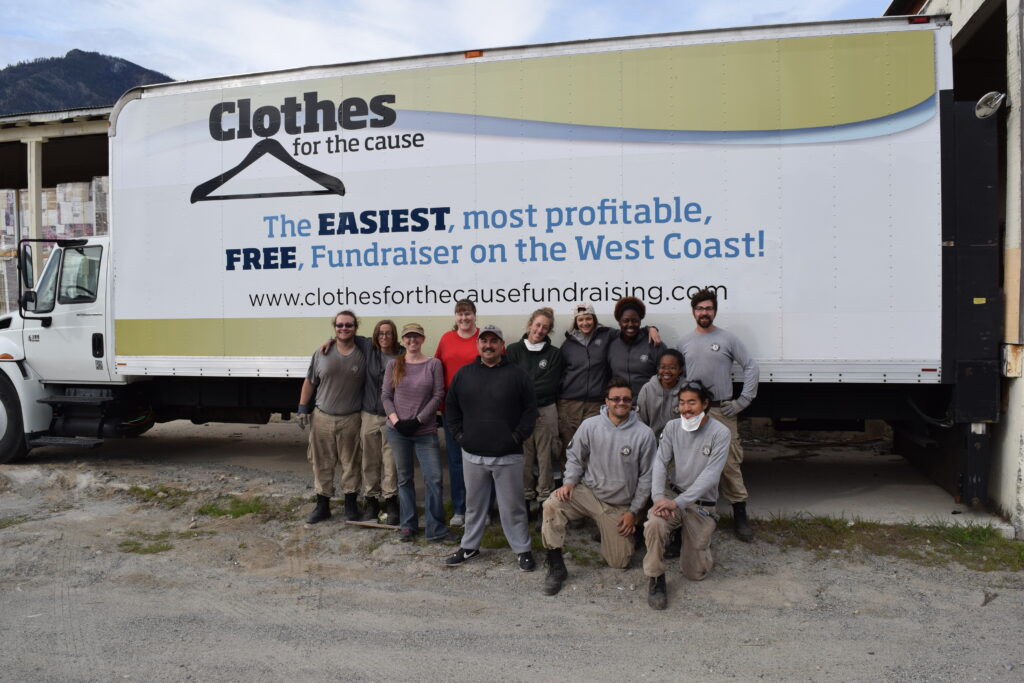
Managing large influxes of donations is always a challenge for communities that suffer significant fire events. Many donations are unsolicited and hard to organize. Effective disaster donations management prioritizes cash donations to reputable organizations that can quickly and efficiently distribute aid based on the specific needs of the affected community. In-kind donations, while well-intentioned, can […]
Volunteer Management
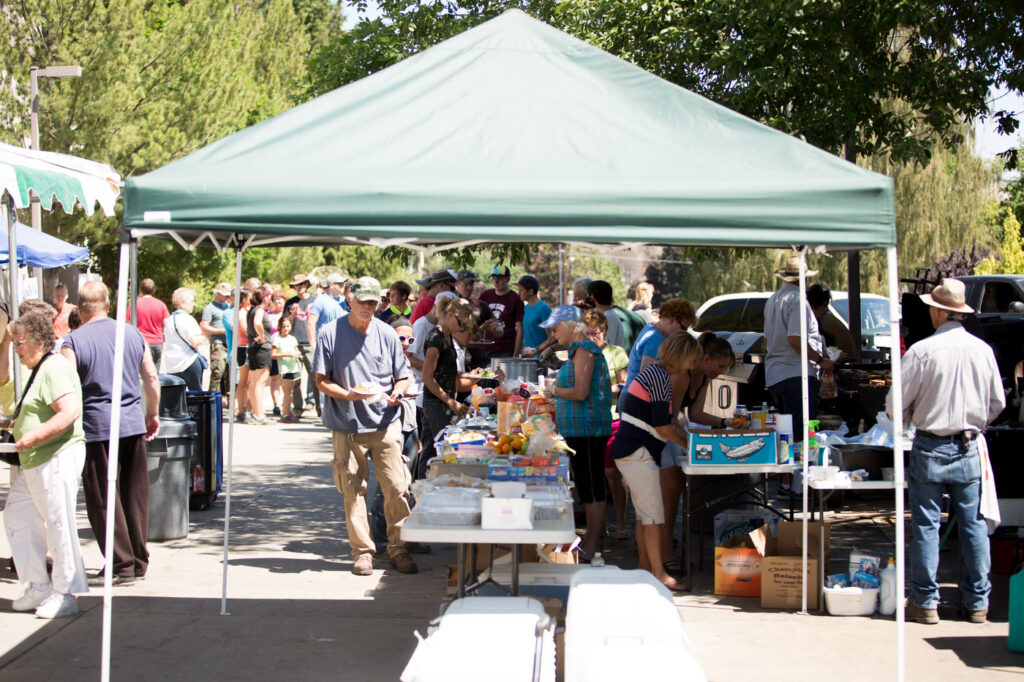
Following large fires, harnessing volunteer power is one of the greatest recovery tools for communities impacted by wildfire. Example: During the recovery and rebuilding from the devastating wildfires from 2014 through 2020 in Chelan, Douglas, Ferry, Okanogan, and Stevens counties, the Okanogan County Long Term Recovery Group (OCLTRG) hosted hundreds of volunteers who worked thousands […]
Rebuilding Homes
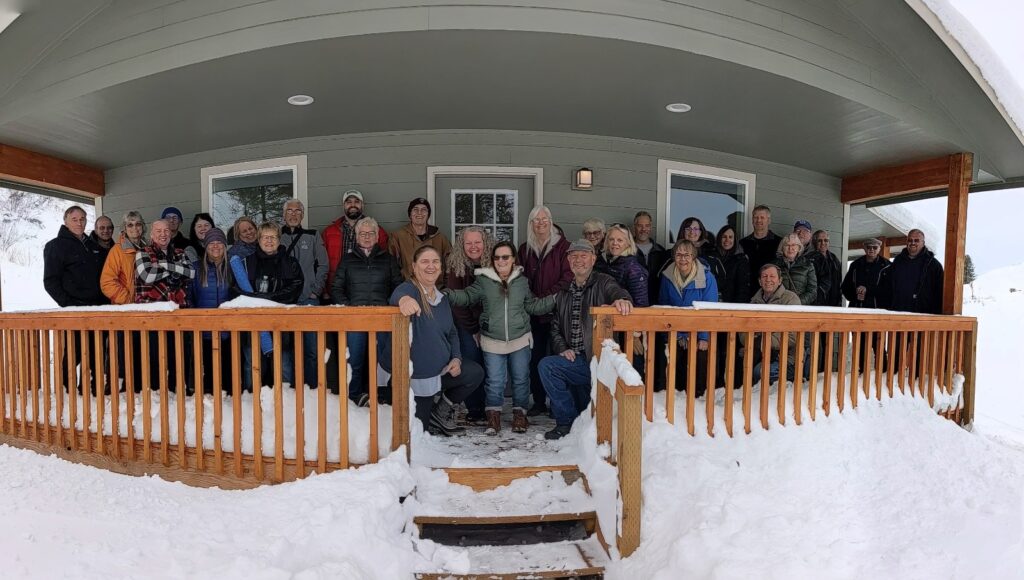
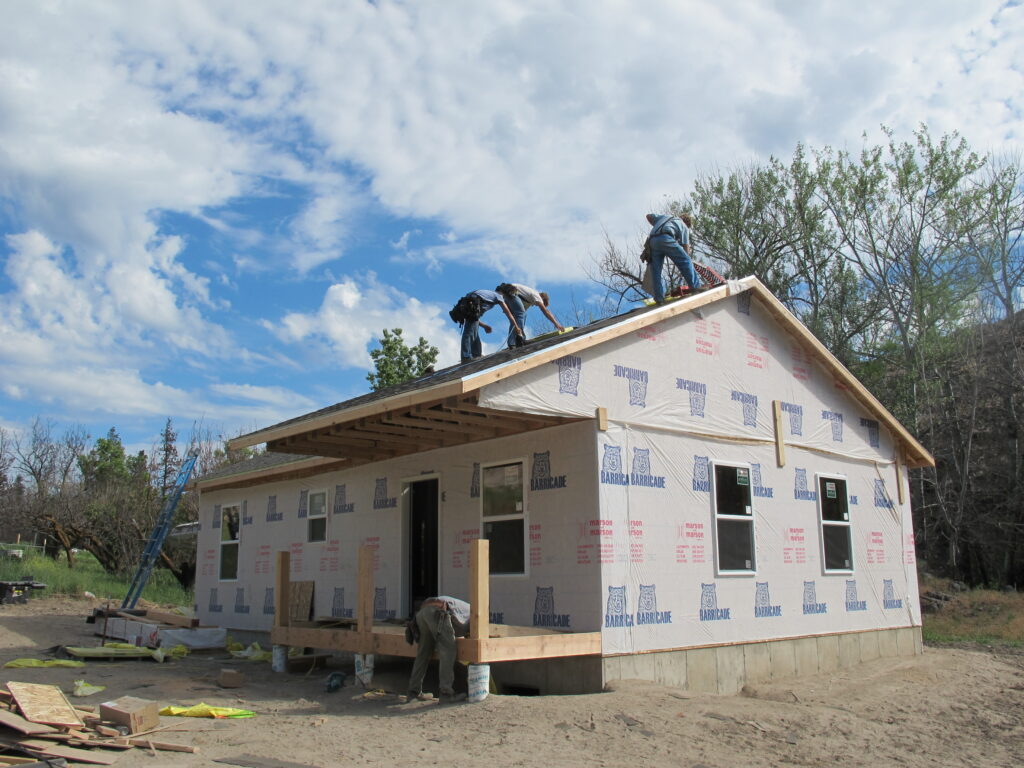
Rebuilding homes lost during wildfire is an economically, emotionally, and logistically challenging feat that takes coordination across multiple recovery partners to get families back in homes. Examples: Okanogan County Long Term Recovery Group’s Rebuild Program operated for an entire decade, starting Spring 2015. The program replaced dozens of homes with 100% donated funds, grants, and […]
Post-Fire Debris Removal
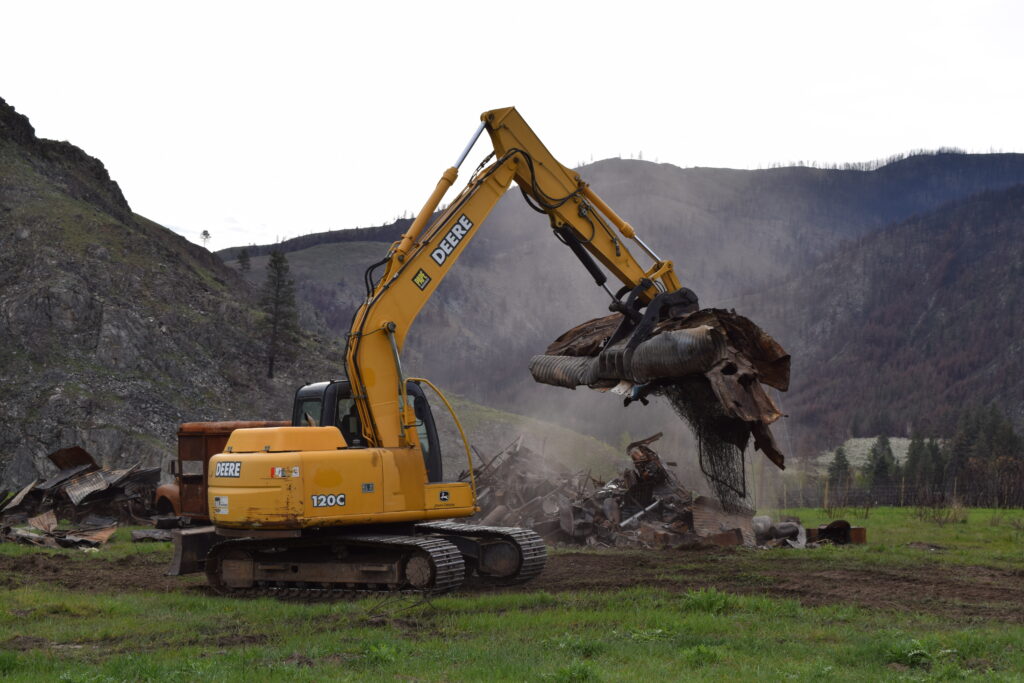
Debris removal involves a multi-faceted process to safely remove and dispose of hazardous materials and debris from burned properties. This process typically includes assessment, removal of household hazardous waste, and then the removal of remaining debris and contaminated soil. Debris removal is generally managed by both government-managed and private contractors. Often times, jurisdictional assistance is […]
Insurance After the Fire
When dealing with insurance after a wildfire, there are several key things to know to ensure a smoother claims process and support your recovery. Contact your insurer immediately to inform them of the damage and initiate the claim process Review your policy details to understand your coverage limits, deductibles, timelines, required documents and specific provisions […]
System Redundancy
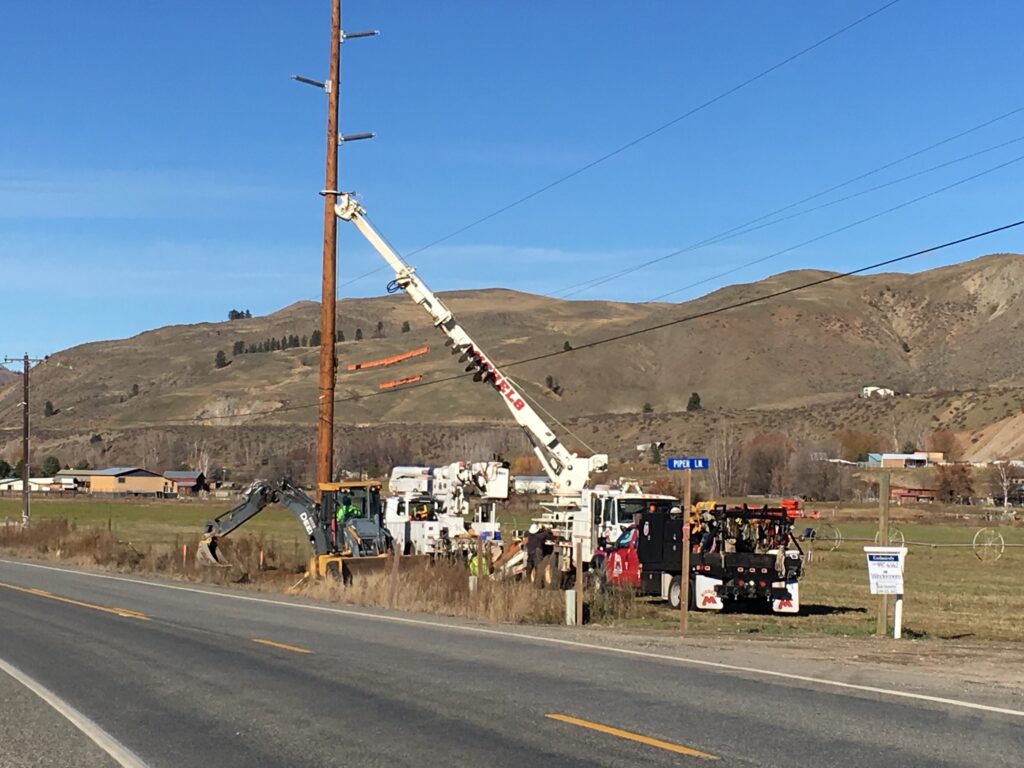
System redundancy is a strategy to prevent single points of failure by providing backup components or systems that can take over if the primary ones fail. This ensures continued operation even when a critical part of the system malfunctions. Redundancy can be achieved through various methods, including duplicated hardware, software, and even personnel training. Redundant […]
Mitigating for Land and Water Flow Impacts
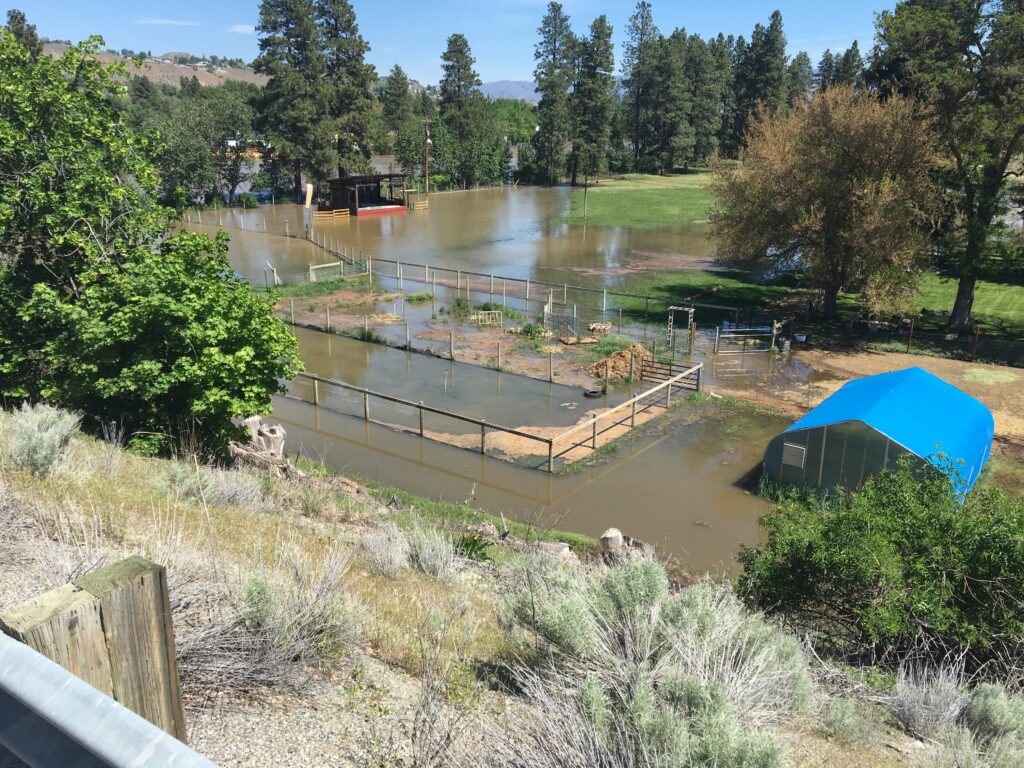
Severe wildfires can have significant and long lasting impacts on both land and water flow. They cause changes in the landscape and soil properties through: Loss of vegetation/ground cover Soil erosion Hydrophobic soil conditions and reduction of soil moisture Nutrient and organic matter loss Temperature increases in riparian areas Post fire, it is critical […]