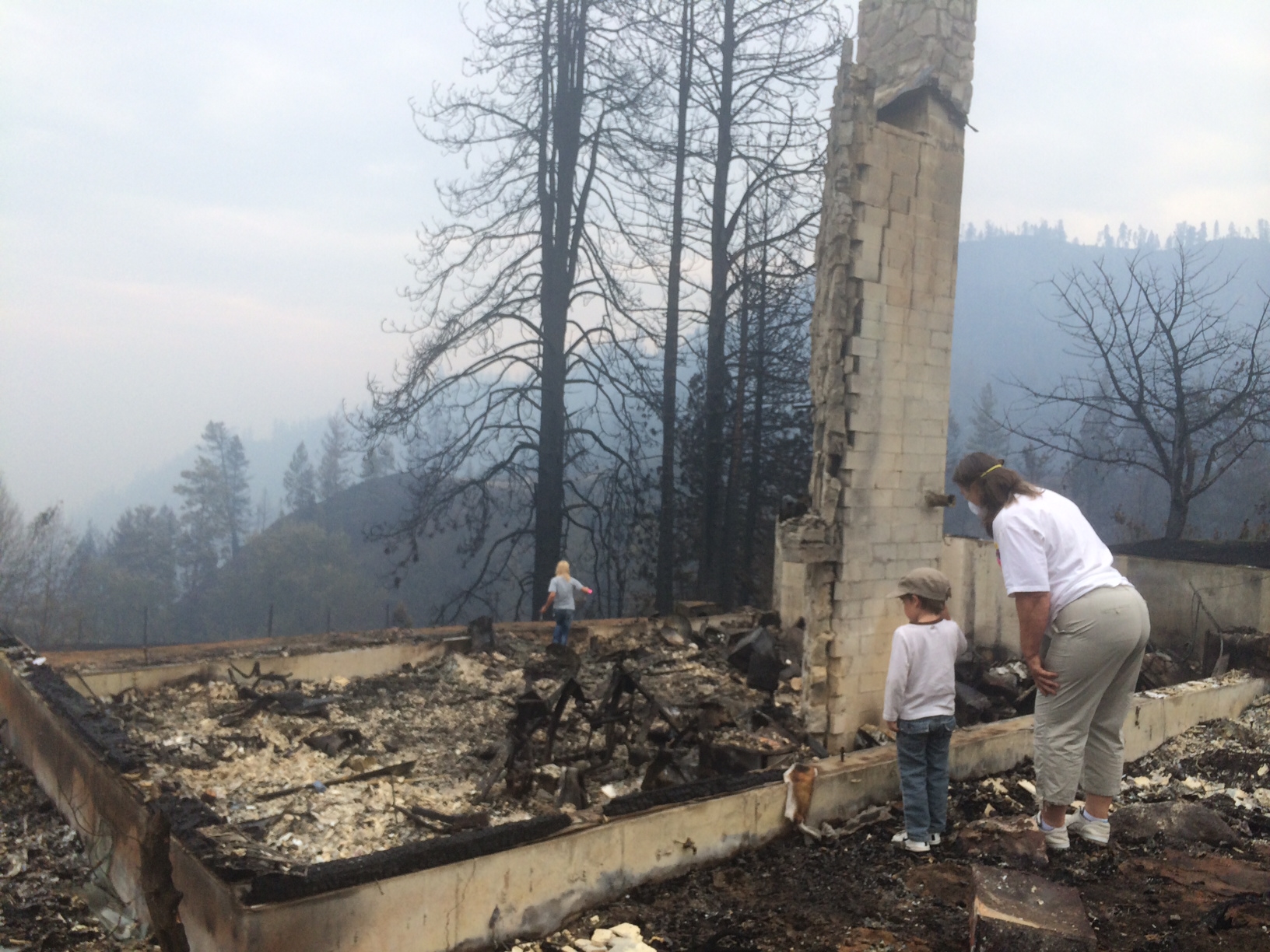
Wildfires can significantly impact mental health both before, during, and after the event, leading to a range of emotional and psychological distress. These mental health impacts can persist for months or even years, highlighting the importance of addressing both immediate and long-term needs.
Before the Fire:
- Anticipatory anxiety and fear: The threat of wildfires can lead to stress, anxiety, and even panic, particularly for those living in high-risk areas.
- Worry about potential loss: Uncertainty about losing homes, possessions, or neighborhoods can contribute to mental health problems.
- Concerns about safety: The constant worry about safety for oneself and loved ones can be a source of stress.
After the Fire:
- Acute Stress and Trauma:
- People may experience immediate emotional distress, including anger, sadness, shock, depression, and frustration.
- Flashbacks, nightmares, and feeling on edge or easily startled by fire-related triggers (sirens, smoke) are common.
- Acute stress is a direct and immediate consequence of experiencing or witnessing a wildfire.
- Post-Traumatic Stress Disorder (PTSD):
- Wildfires are classified as a “Big T” Trauma, capable of overwhelming a person’s coping abilities.
- PTSD can manifest as persistent nightmares or flashbacks, avoidance of fire-related reminders, and feeling disconnected or numb.
- The heightened fight-or-flight response, normally temporary, can persist and lead to ongoing mental health struggles.
- Up to 30-40% of people affected by disasters like wildfires may develop PTSD.
- Moral Injury:
- The trauma can shake a person’s core beliefs and sense of identity, particularly with the loss of home and community.
- Depression:
- The loss of home, belongings, or loved ones can lead to feelings of hopelessness and despair.
- Difficulty envisioning a positive future after the devastation can contribute to depression.
- Anxiety Disorders:
- The unpredictable nature of wildfires can lead to long-term anxiety and fear of future events.
- Worrying constantly about safety and health can contribute to anxiety.
- Studies show an association between wildfire exposure and increased anxiety-related emergency department visits.
- Survivor’s Guilt:
- Individuals whose property remained unharmed while neighbors suffered significant losses may experience guilt and sadness.
- Substance Use Disorders:
- Some individuals may turn to alcohol or drugs as a way to cope with emotional pain or numb trauma, potentially leading to long-term dependency.
- Impact on Children:
- Children may exhibit increased fears, worries about separation, and changes in behavior like irritability or withdrawal.
- Maintaining routines and offering reassurance about safety is crucial for helping children cope.
Long-term Effects:
- Lingering mental health problems: Studies indicate that mental health issues can persist for months or even years after a wildfire.
- Cognitive impact: Wildfires can affect concentration and focus, making it difficult to pay attention.
- Untreated mental health problems can be disabling: PTSD, depression, and anxiety can affect work, daily life, family function, and physical health if left untreated.
Factors Influencing Impact:
- Direct exposure vs. indirect exposure: Evacuated individuals report more intense emotional and cognitive responses compared to those who were not evacuated.
- Loss of home and community: Losing a sense of place and belonging can be deeply impactful.
- Smoke exposure: Inhaling wildfire smoke can worsen existing mental health conditions like depression and anxiety.
Important Note: Seeking support from mental health professionals, connecting with social networks, and utilizing coping mechanisms like mindfulness practices are crucial steps in addressing the mental health impacts of wildfires. There are various resources available to assist individuals and communities, including crisis hotlines and support groups.
Resources:
→ The Mental Health Impacts of Fire
→ Considerations for Assisting Wildfire Survivors