
Burned Tree Removal
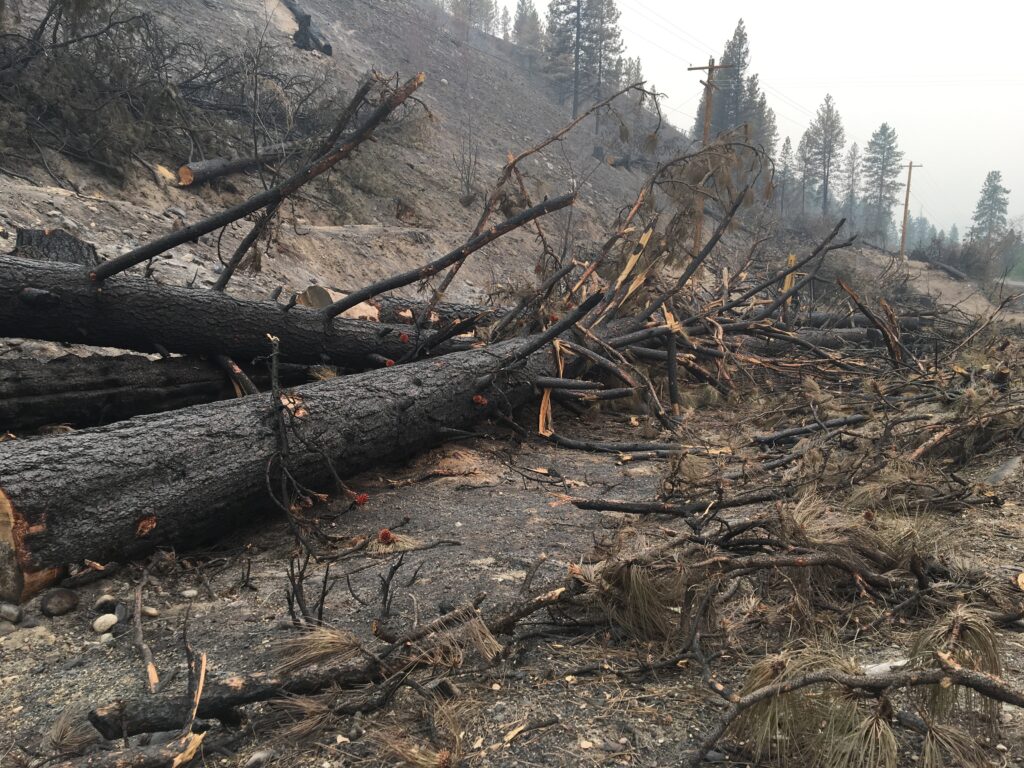
There is extensive, valuable printed and online material available for the process and safety issues around hazardous tree removal. However, there are other considerations to look at as well. The unique coordination and innovative thinking during the aftermath of the Carlton Complex Firestorm of 2014 is worth sharing. With over a quarter of a million […]
Debris Flow Monitoring, Assessment, and Mitigation
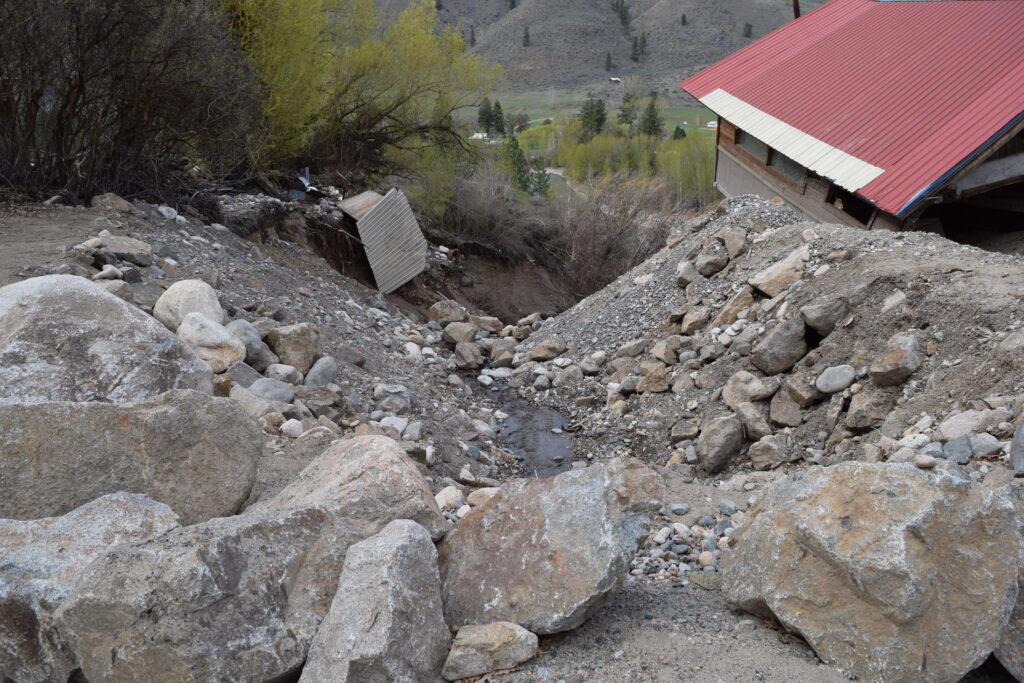
Following a wildfire, managing and monitoring debris flow is essential. Wildfires dramatically alter the landscape, increasing the likelihood of debris flows. Debris flows are rapid movements of water, soil, rock, vegetation, and debris that can cause signifiant damage and even fatalities. Debris flows can be triggered with little warning, leaving communities vulnerable. These flows can […]
Post Disaster Fire Advocacy

The wildfire and fire-related flooding events in Okanogan County during the summer of 2014 brought to light several important opportunities for the State of Washington to proactively shape policy such that the State and communities of Washington State were better prepared for future natural disasters. During the 2015 Legislative Session, the Long Term Recovery Organizations […]
Community Wildfire Protection Plans (CWPPs)

Having a Community Wildfire Protection Plan (CWPP) in place for each community is crucial for access to mitigation resources and identification of local needs, strengths, and weaknesses as they relate to wildfire. It is best practice that local community members play an active role in the creation of their CWPP. These plans are developed collaboratively […]
Disaster Case Management
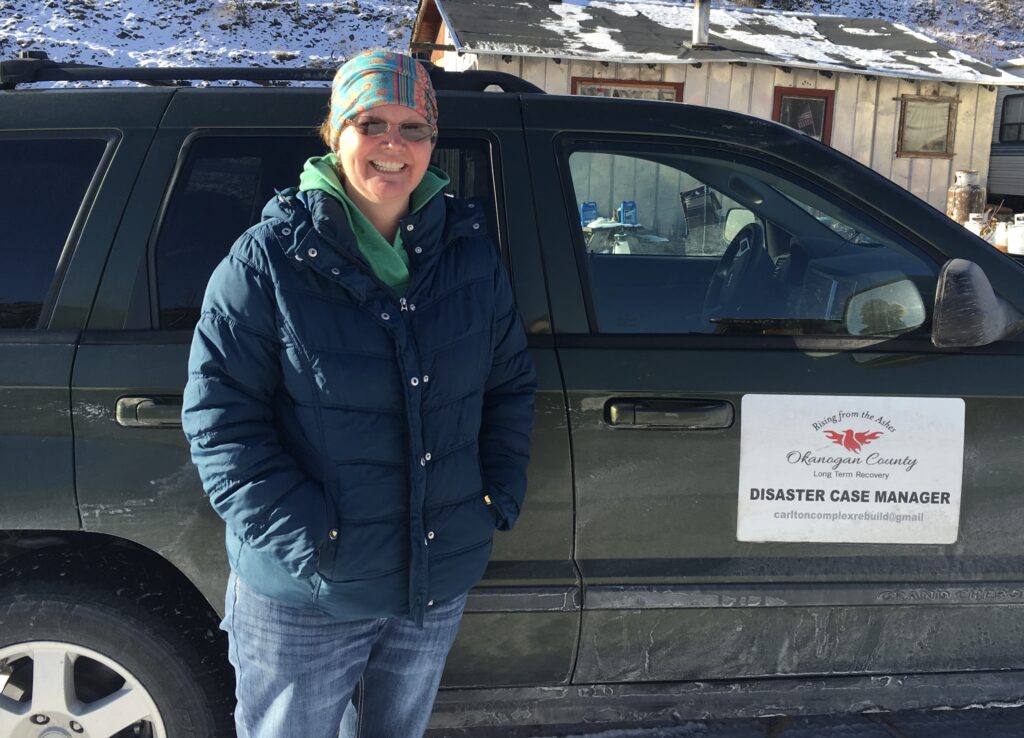
At the national level, it is widely recognized and understood that disastrous events in our communities create the need to address unmet needs in the long term. One proven way to do so is Disaster Case Management (DCM) programming. According to the Voluntary Organizations Active in Disaster (VOAD) manual, DCM is defined as: “a time-limited […]
Bank Stabilization
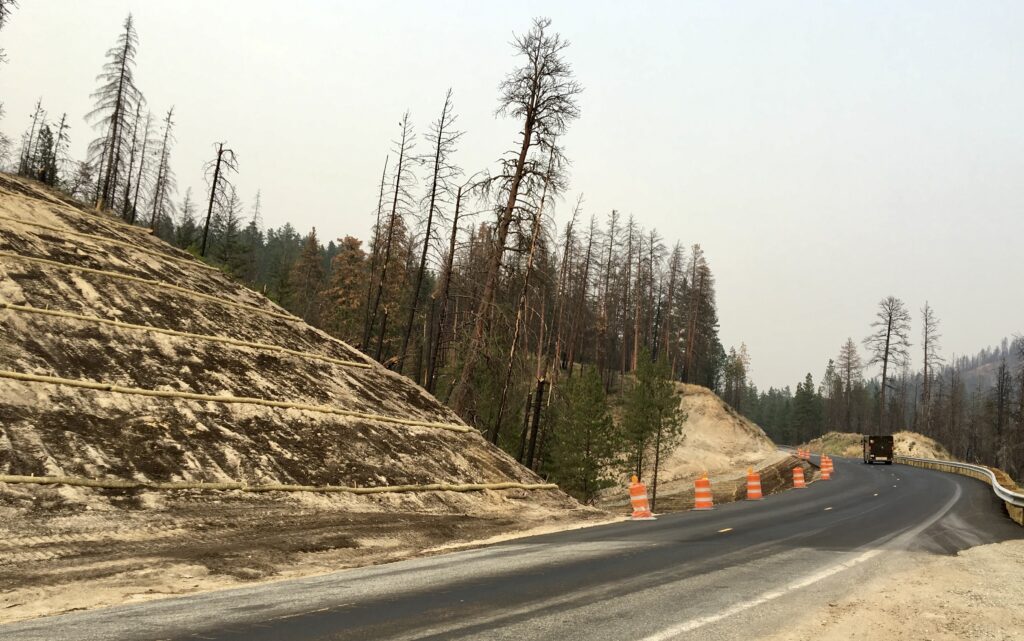
Bank stabilization is often necessary post wildfire. Without stabilization, compounding damages and safety considerations may arise. If assessments and identification of risks are not done post fire, often times infrastructure such as roadways and utilities can be lost. On Loup Loup Pass in Okanogan County, debris flows and hill erosion resulted in a complete loss […]
Fence Replacement
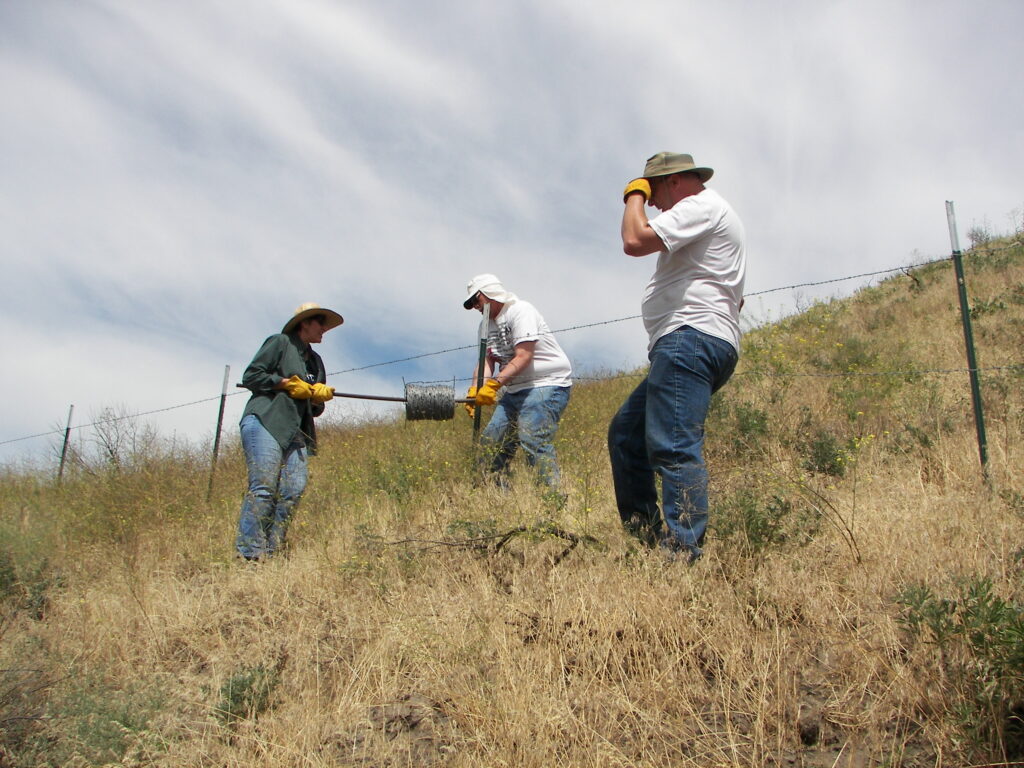
Fences have been pinpointed as a culprit in spreading wildfire. You are encouraged to consider the following questions and recommendations both pre and post fire regarding fences. Check your insurance policy. Are your fences covered in the event of wildfire? Fence replacement is costly. Understand that donors post fire are less likely to fund private, […]
Burrito Wrapping Wildfire Debris
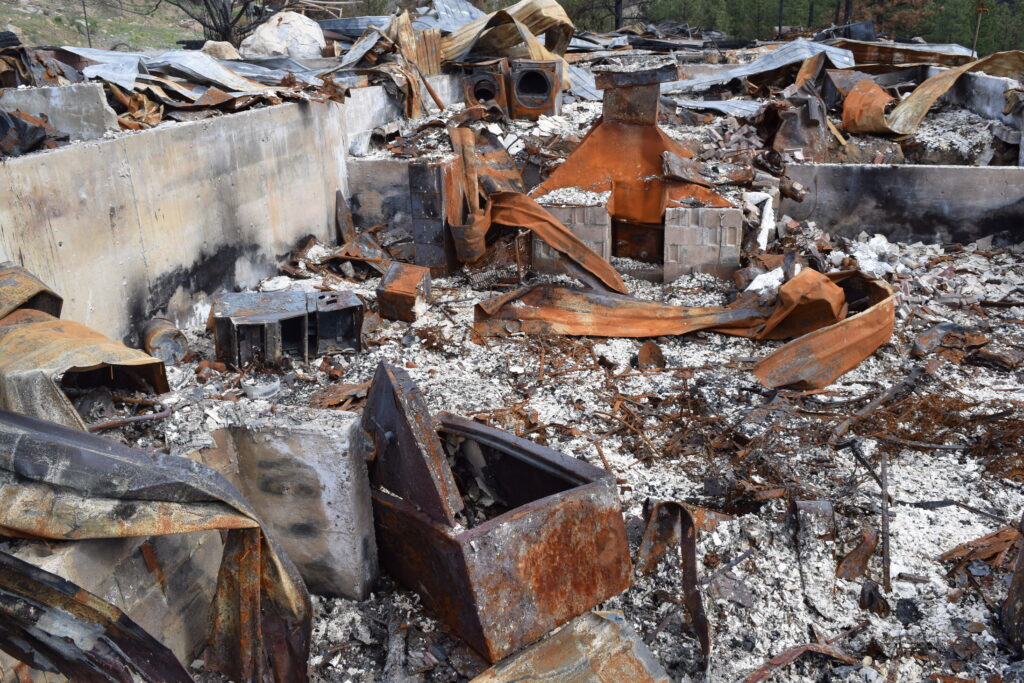
“Burrito wrapping” is a method used to contain and transport asbestos-containing materials (ACM) to prevent the release of asbestos fibers during removal and disposal of debris. Wildfire debris was not required to be burrito wrapped until the 2020 fire season. Following the 2020 fires, it became common practice and, in most jurisdictions, a requirement of […]
Emergency Address Signage
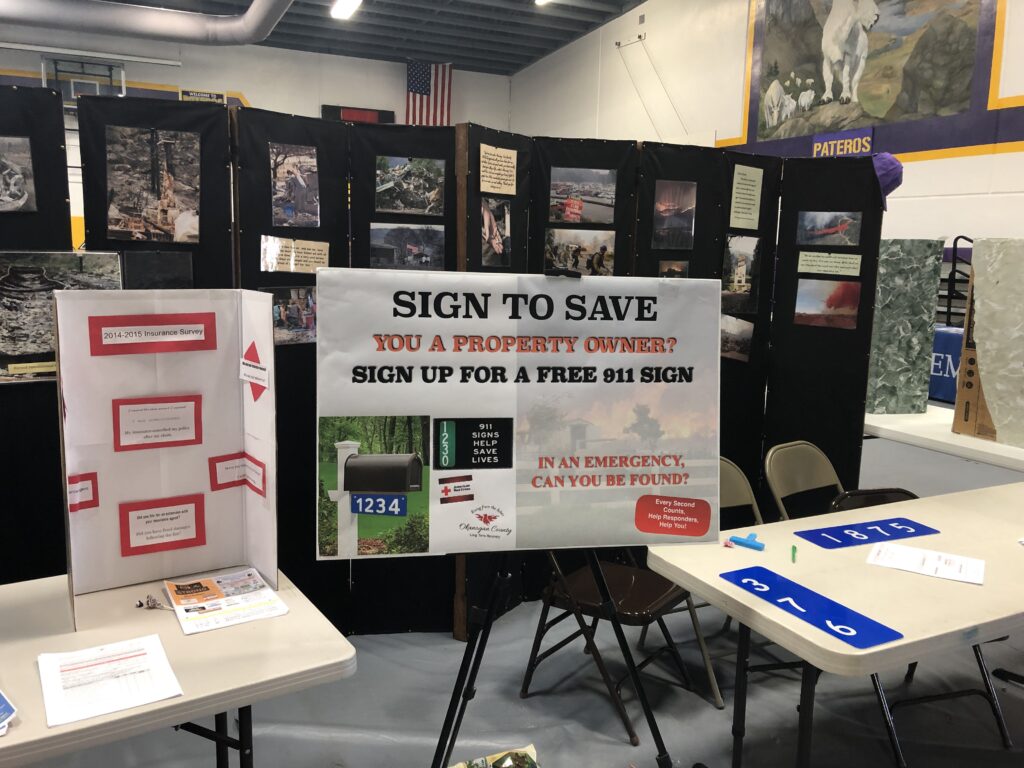
After the Carlton Complex Firestorm of 2014, it was determined that first responders were having trouble finding locations that they were responding to. This was due to the loss of landmarks, homes, previous signs and fences. This resulted in delayed response times and increased risks to people and property. Extensive signage is destroyed after a […]